The 90 Minute Sunday Reset Routine Step by Step

The 90 Minute Sunday Reset Routine Step by Step
Photo from the web

Set a timer for ninety minutes and move through four quick home zones in a fixed order. You clear the main living spaces, reset the kitchen, change the bedding, and set out what you need for Monday morning. This routine stops weekend clutter from rolling into your work week without using up your entire day off.

Zone 1: Kitchen and Food Prep (30 Minutes)

Start in the kitchen because it takes the most time and gives you the biggest feeling of progress. Fill the sink with hot soapy water, empty the dishwasher, and clear every item off the counters that does not belong there. Put food back in the pantry and throw away expired leftovers from the fridge.

Follow these exact steps to finish the kitchen reset within thirty minutes:

  • Wash the dishes or load the dishwasher and press start immediately.
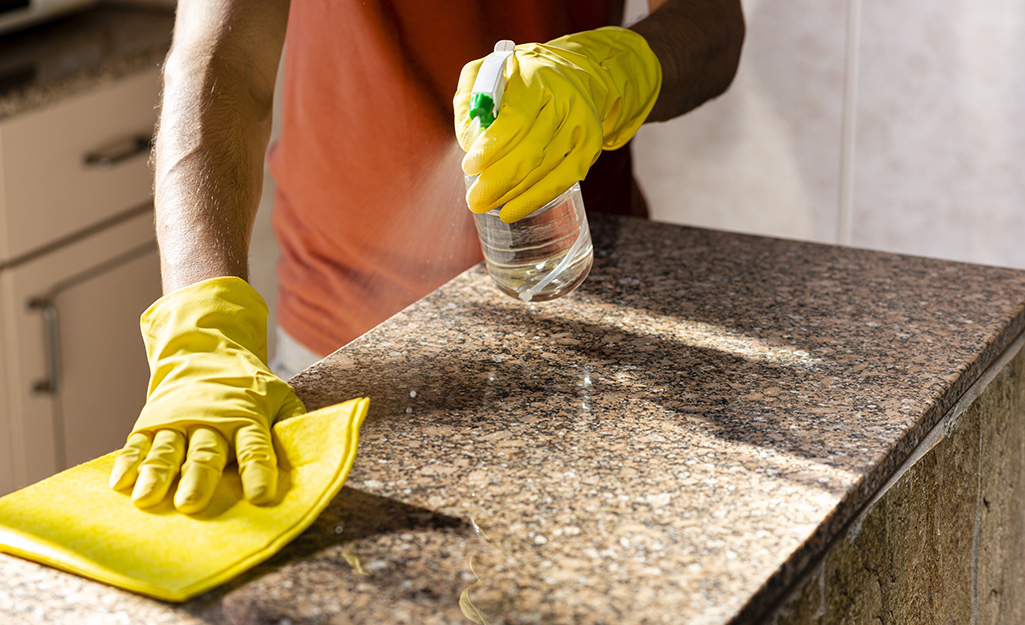
  • Wipe down all counters, the stove top, and the sink with a wet cloth.
  • Chop vegetables or pack three days of lunch containers for the week.
  • Take out the kitchen trash and put in a fresh bag.
The 90 Minute Sunday Reset Routine Step by Step
Photo from the web

Zone 2: Living Room and Hallway (20 Minutes)

Move straight to the living room with a laundry basket in your hands. Walk around the space once and collect everything that belongs in another room, such as stray mugs, mail, shoes, and toys. Put those items away in their proper homes right now instead of making piles for later.

Use the remaining time to do a fast surface clean of the main seating area:

  • Fold sofa blankets and fluff the couch cushions.
  • Wipe the coffee table and television stand with a microfiber cloth.
  • Run the vacuum over the high traffic rug and main walkway.

Zone 3: Bedroom and Linens (20 Minutes)

Walk into your bedroom, strip the bed sheets, and put them directly into the washing machine. Put clean sheets on the bed right away so you are not forced to make the bed when you are tired later tonight. Clear your nightstands so only a lamp, a book, and a glass of water remain on the top surface.

Finish your bedroom reset by dealing with clothes that accumulated over the weekend. Hang up clean garments that were left on chairs, place dirty items in the hamper, and close all dresser drawers completely. A visual reset of your sleeping space helps you fall asleep faster on Sunday night.

Zone 4: Bathroom and Monday Prep (20 Minutes)

Spend ten minutes doing a quick wipe of the bathroom surfaces. Spray the sink basin, the counter, and the toilet seat with your everyday cleaner, then wipe them dry with paper towels or a fresh rag. Replace used hand towels with clean ones and restock the toilet paper roll holder.

Use the final ten minutes of your total time to prepare your personal items for Monday morning:

  • Lay out your full outfit for Monday, including socks, shoes, and underwear.
  • Pack your work bag or backpack with your laptop, charger, keys, and wallet.
  • Set your alarm on your phone and place the phone across the room.

Comments

Popular posts from this blog

How Often to Wash Everything in Your Home: Easy Guide

Photo: Wikimedia Commons To keep your home fresh, wash your bed sheets every week, bath towels after three uses, and kitchen towels every two days. Larger items like heavy blankets, curtains, and pillow inserts only need washing every three to six months. Following a set routine keeps your space clean without taking up all your free time. How Often to Wash Everything in Your Home for Bed and Bath Bedding and bath linens pick up skin oils, sweat, and dust faster than anything else in the house. Washing them on a predictable schedule keeps your bedroom smelling fresh and protects your skin. You do not need to wash every single piece every week, but keeping to a baseline prevents buildup. Stick to these basic timelines for your sleep and bath spaces: Bed sheets and pillowcases: Wash every 7 days in warm water. Bath towels: Wash after 3 or 4 uses, and always hang them to dry fully between uses. Hand towels and washcloths: Wash every 2 days, or daily if you have a large family. ...

How to Water Plants While Away on Vacation

Photo: Wikimedia Commons You can keep your plants hydrated for up to fourteen days while you are away using simple household items. Soil wicking and bottle drips deliver small amounts of moisture straight to the roots every hour. Set up these simple methods twenty minutes before you leave to protect your green space. How to Water Plants While Away Using a Cotton Wick A cotton wick system moves water from a jar into your plant pot continuously through capillary action. This setup works best for small to medium pots kept indoors. It delivers a slow, steady flow of moisture for up to ten days without soaking the soil too fast. Place a large glass jar filled with water right next to your plant pot. Cut a long piece of one hundred percent cotton yarn or clothesline cord. Push one end deep into the soil using a pencil, then sink the other end deep into the jar of water. Make sure the bottom of the water jar sits slightly higher than the base of the plant pot. Photo from the web Build...

What to Plant in Spring Month by Month

Photo from the web Follow this exact month by month spring guide to sow seeds at the right time. Start indoors in March, move young plants outside in April, and plant your heat loving crops in May. You will get healthy vegetables and flowers without losing plants to cold spring frost. What to Plant in Spring Month by Month Starting your garden requires knowing your local warm and cold weeks. Spring planting relies on matching crop cold tolerance to outdoor night temperatures. Hardier vegetables survive light frosts, while delicate summer plants need completely warm soil. Set up a simple indoor starting station with bright light standard trays. Use this clean schedule for successful spring growth: March indoors: Sow tomatoes, peppers, and eggplant seeds indoors under lights for eight weeks of growth before final spring planting. March outdoors: Direct sow peas, spinach, kale, and radish seeds directly into outdoor soil as soon as it thaws. April outdoors: Sow carrot, beet, ...