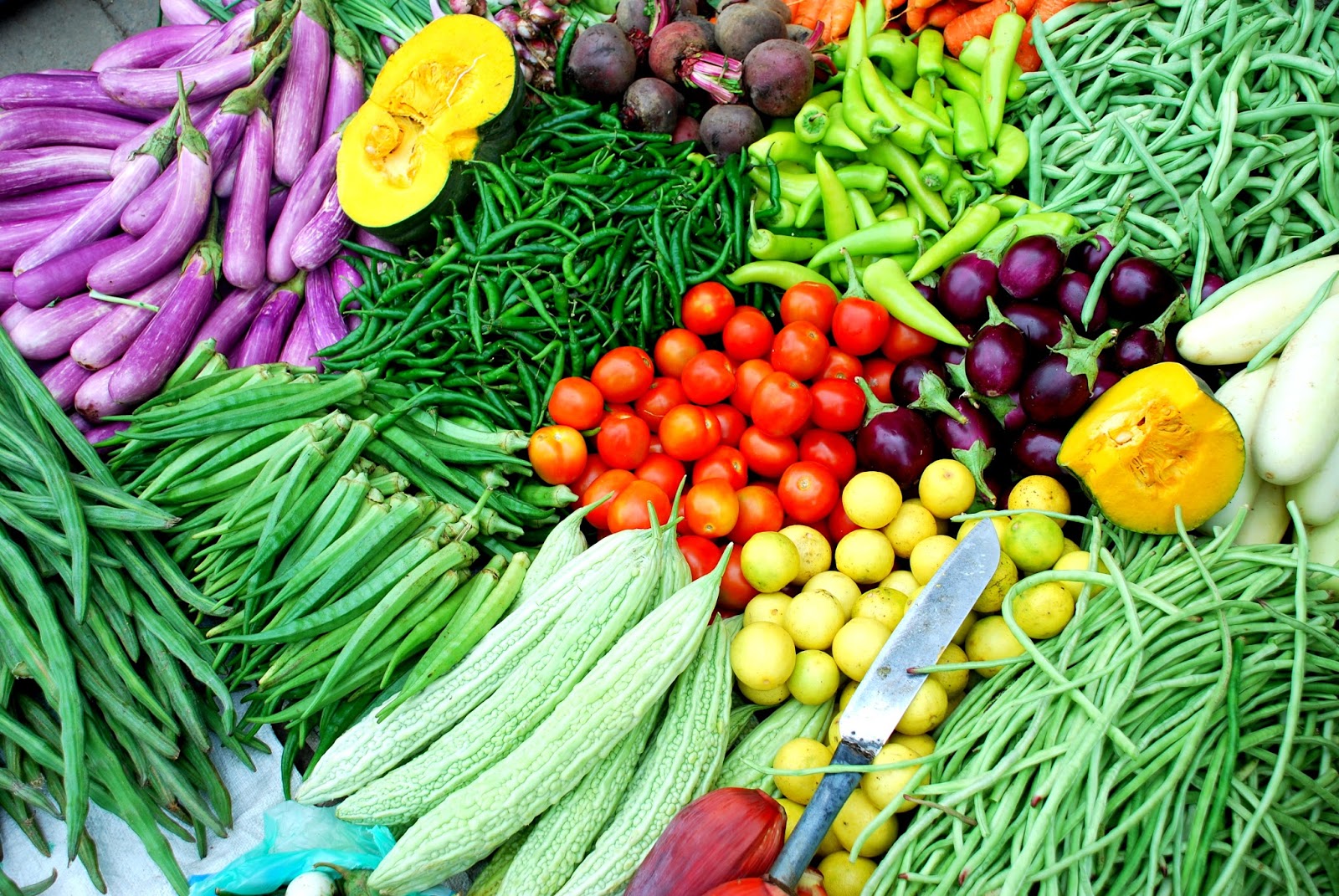
Follow this exact month by month spring guide to sow seeds at the right time. Start indoors in March, move young plants outside in April, and plant your heat loving crops in May. You will get healthy vegetables and flowers without losing plants to cold spring frost.
What to Plant in Spring Month by Month
Starting your garden requires knowing your local warm and cold weeks. Spring planting relies on matching crop cold tolerance to outdoor night temperatures. Hardier vegetables survive light frosts, while delicate summer plants need completely warm soil.
Set up a simple indoor starting station with bright light standard trays. Use this clean schedule for successful spring growth:
- March indoors: Sow tomatoes, peppers, and eggplant seeds indoors under lights for eight weeks of growth before final spring planting.
- March outdoors: Direct sow peas, spinach, kale, and radish seeds directly into outdoor soil as soon as it thaws.
- April outdoors: Sow carrot, beet, lettuce, and swiss chard seeds outside in garden beds.
- May outdoors: Plant tender crops like cucumber seeds, squash starts, and green beans directly into warm ground.
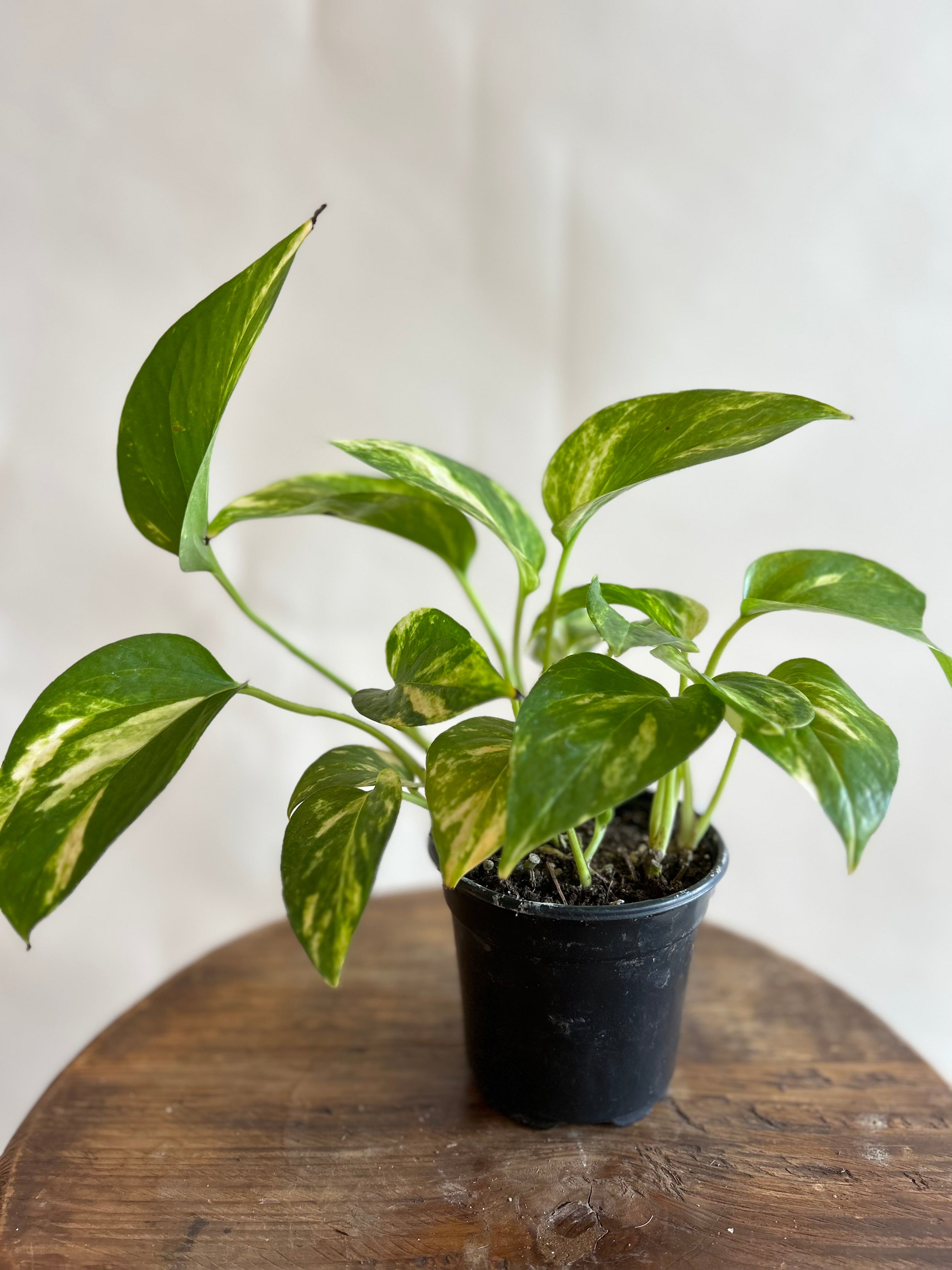
March Tasks for Indoor Seeds and Cool Crops
March is the official start of early indoor seed sowing for warm weather crops. Place your seed trays under artificial lights for fourteen hours every day. Keep indoor potting soil evenly damp by misting it with two tablespoons of water per cell every two days. Do not let the trays dry out or sit in standing water.
Outdoor beds need quick preparation as soon as your dirt can be worked. Spread two inches of finished compost over your growing space and turn it into the top six inches of dirt using a hand fork. Plant early pea seeds one inch deep and two inches apart in rows. Water the planted pea rows with one gallon of water per five feet of garden row.
April Outdoor Sowing and Transplant Steps
April brings warmer light and cooler evening soil temperatures. Plant root vegetables like carrots and beets directly into your loose garden beds now. Scatter tiny carrot seeds half an inch apart in shallow rows. Water the small seeds lightly using half a gallon of water per row every morning until tiny green sprouts show after fourteen days.
Harden off your indoor starts during late April so they adjust to outdoor sun and wind. Move your potted plants outside for two hours on day one in full shade. Add one extra hour of light outdoor time each day for ten days until they stay outside overnight.
May Heat Loving Crops and Outdoor Care
May is the right time to plant sensitive crops that cannot handle frost. Outdoor night temperatures must stay consistently above fifty degrees Fahrenheit before you set out warm crops. Move your hardened tomato and pepper plants into outdoor garden beds during early morning hours to prevent shock.
Follow these specific steps to finish your spring garden setup:
- Dig planting holes six inches deep and twelve inches apart for tomato starts.
- Mix one cup of balanced organic fertilizer into the bottom dirt of each planting hole.
- Set young tomato plants deep into the hole so lower stem leaves sit just above ground.
- Water each new transplant heavily with one gallon of clear water right after planting.
- Apply two inches of shredded wood mulch around your plants to hold soil moisture.
Spring Sunlight and Water Needs
Spring plants need exact sunlight hours and water amounts to build deep roots. Place all spring vegetable beds in an outdoor spot that receives at least six to eight hours of direct daily sunlight. Shaded spring gardens will grow pale leaves and thin stems instead of strong roots and food.
Water your spring crops thoroughly early in the morning near the plant stems. Give outdoor garden beds one full inch of water once per week during normal weather. Increase watering to one inch twice per week if spring weather becomes unusually dry and hot. You can learn more about general gardening methods to help maintain soil moisture balance all season long.
Comments
Post a Comment