
Indoor Plants That Survive a Dark Room

Indoor Plants That Survive a Dark Room
Photo from the web

You can keep indoor plants alive in a dark room if you pick the right species and control your watering. Plants like snake plants and cast iron plants need only low light and a small drink of water every two to three weeks. Set your plants within six feet of any light source and let the soil dry out completely between waterings.

What Are the Best Indoor Plants That Survive a Dark Room?

Dark rooms have lower natural light, which means your plants grow at a slower rate. Because they grow slowly, low light plants need much less water than plants sitting in bright sun. Picking the right houseplant prevents yellow leaves and root rot before you even bring the pot home.

Look for these four proven plants when you shop for low light spaces:

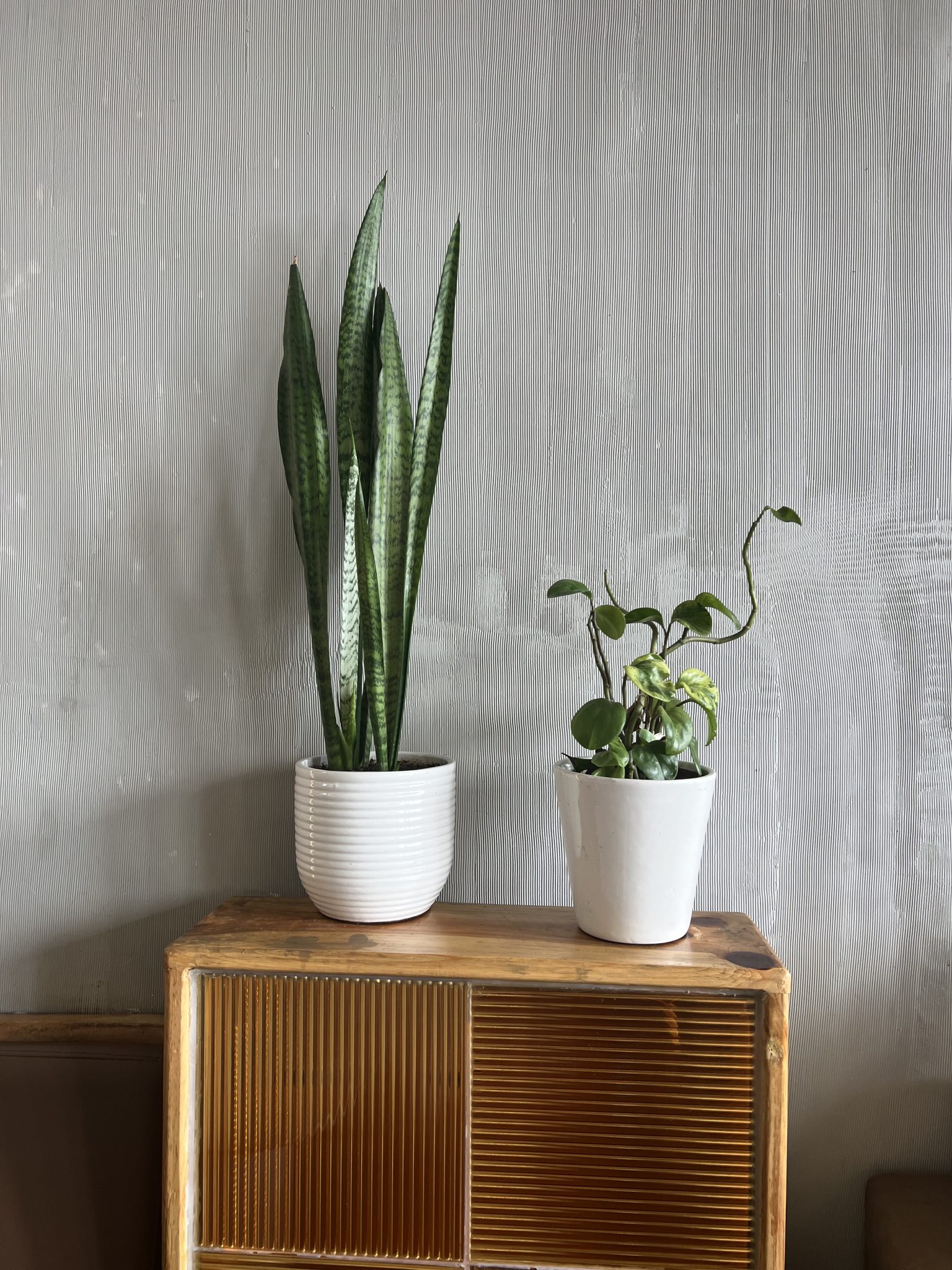
  • Snake Plant (Sansevieria): This plant features tall, stiff leaves that hold water for weeks. It thrives in north-facing rooms and needs water only once every 14 to 21 days.
  • ZZ Plant (Zamioculcas zamiifolia): The ZZ plant has shiny, dark green leaves that store moisture. It tolerates deep shade and requires a light watering once per month.
  • Cast Iron Plant (Aspidistra elatior): This plant has broad green leaves that withstand dark corners and cold drafts. Give it half a cup of water every two weeks.
  • Pothos (Epipremnum aureum): A vining plant that hangs down nicely from high shelves in dark rooms. Water it with one cup of water every 10 to 12 days when the top two inches of soil feel dry.
Indoor Plants That Survive a Dark Room
Photo: Openverse

How Much Light Do Dark Room Plants Need?

No plant can live in total darkness without any light at all. Your indoor plants need low ambient light from a window or a regular indoor lamp turned on for eight hours a day. Place your plants within three to six feet of a window, even if that window faces north or stays shaded by trees outdoors.

Rotate the pot one quarter turn every Saturday morning. Rotating the pot keeps the plant growing straight instead of bending toward the nearest lamp. If you see the leaves turn pale or stretch out with long gaps between stems, move the plant two feet closer to your light source.

How to Water Indoor Plants in Low Light

Overwatering is the fastest way to kill a plant in a dim space. Soil stays wet much longer in the shade because water does not evaporate quickly. Always test the soil moisture with your finger before you grab your watering can.

Follow these exact steps every time you water your plants:

  • Push your index finger two inches down into the potting soil.
  • If the soil feels wet or cold, wait five more days before checking again.
  • If the soil feels totally dry, pour half a cup of room temperature water around the base of the plant.
  • Empty the saucer under the pot after twenty minutes so the roots do not sit in pooled water.

How to Clean and Maintain Low Light Plants

Dust accumulates on leaves rapidly inside dark rooms. A layer of house dust blocks the little bit of light your plant receives, which slows down photosynthesis. Wiping down the leaves takes less than ten minutes and keeps your green foliage shiny and healthy.

Dampen a soft paper towel with plain warm water twice every month. Hold a leaf flat with one hand while wiping the top side gently with the wet towel. Cut off any brown or dry leaf tips at the base using sharp kitchen scissors to keep the plant looking neat.

Comments

Popular posts from this blog

A Cleaning Schedule for People Who Work Full Time

Photo: Wikimedia Commons A cleaning schedule for people who work full time keeps your home neat in twenty minutes a day so your weekend stays free. You wipe down key spots on weekdays, run one load of wash each morning, and leave deep tasks for a short Friday rhythm. This predictable routine protects your rest while keeping daily clutter away. How to set up a cleaning schedule for people who work full time Start by dividing your chores into two buckets: the must-do daily resets and the once-a-week tasks. When you commute or sit at a desk for eight hours, you do not have the energy to mop the whole house after dinner. Give yourself a strict twenty-minute limit each evening and focus only on the rooms you touch the most. Modern housekeeping works best when you pair tiny tasks with habits you already have. Start the dishwasher right after dinner, start a quick wash cycle while you drink coffee, and wipe the bathroom sink while you brush your teeth. These tiny touch-ups take two minu...

How Often to Wash Everything in Your Home: Easy Guide

Photo: Wikimedia Commons To keep your home fresh, wash your bed sheets every week, bath towels after three uses, and kitchen towels every two days. Larger items like heavy blankets, curtains, and pillow inserts only need washing every three to six months. Following a set routine keeps your space clean without taking up all your free time. How Often to Wash Everything in Your Home for Bed and Bath Bedding and bath linens pick up skin oils, sweat, and dust faster than anything else in the house. Washing them on a predictable schedule keeps your bedroom smelling fresh and protects your skin. You do not need to wash every single piece every week, but keeping to a baseline prevents buildup. Stick to these basic timelines for your sleep and bath spaces: Bed sheets and pillowcases: Wash every 7 days in warm water. Bath towels: Wash after 3 or 4 uses, and always hang them to dry fully between uses. Hand towels and washcloths: Wash every 2 days, or daily if you have a large family. ...

Easy Raised Bed Garden Plan for Beginners

Photo from the web Build a productive raised bed garden using a simple four foot by eight foot wood frame. Place your bed in a spot that gets six to eight hours of direct sunlight every day. Fill it with a soil mix of fifty percent topsoil and fifty percent compost, then water it deeply with five gallons of water before planting. Choose the Right Sun and Site Location Pick a flat area in your yard that receives a full day of sunlight. Sunlight drives plant growth, so aim for a location clear of shade from trees, fences, or your house. Test the light by checking the spot at nine in the morning, twelve at noon, and four in the afternoon. If sunlight hits the ground at all three times, the site works well for growing food. Keep your raised bed near an outdoor water tap. Hauling buckets across a long distance slows down your routine and makes daily care hard work. Make sure you can walk completely around all four sides of the frame. Leaving a two foot path around your bed gives you e...